
By Squadron Leader Bel Culley
Despite a month-long excavation, a joint recovery operation has been unable to locate the remains of Australian Army Corporal William Murphy, who died at the Battle of Kapyong during the Korean War.
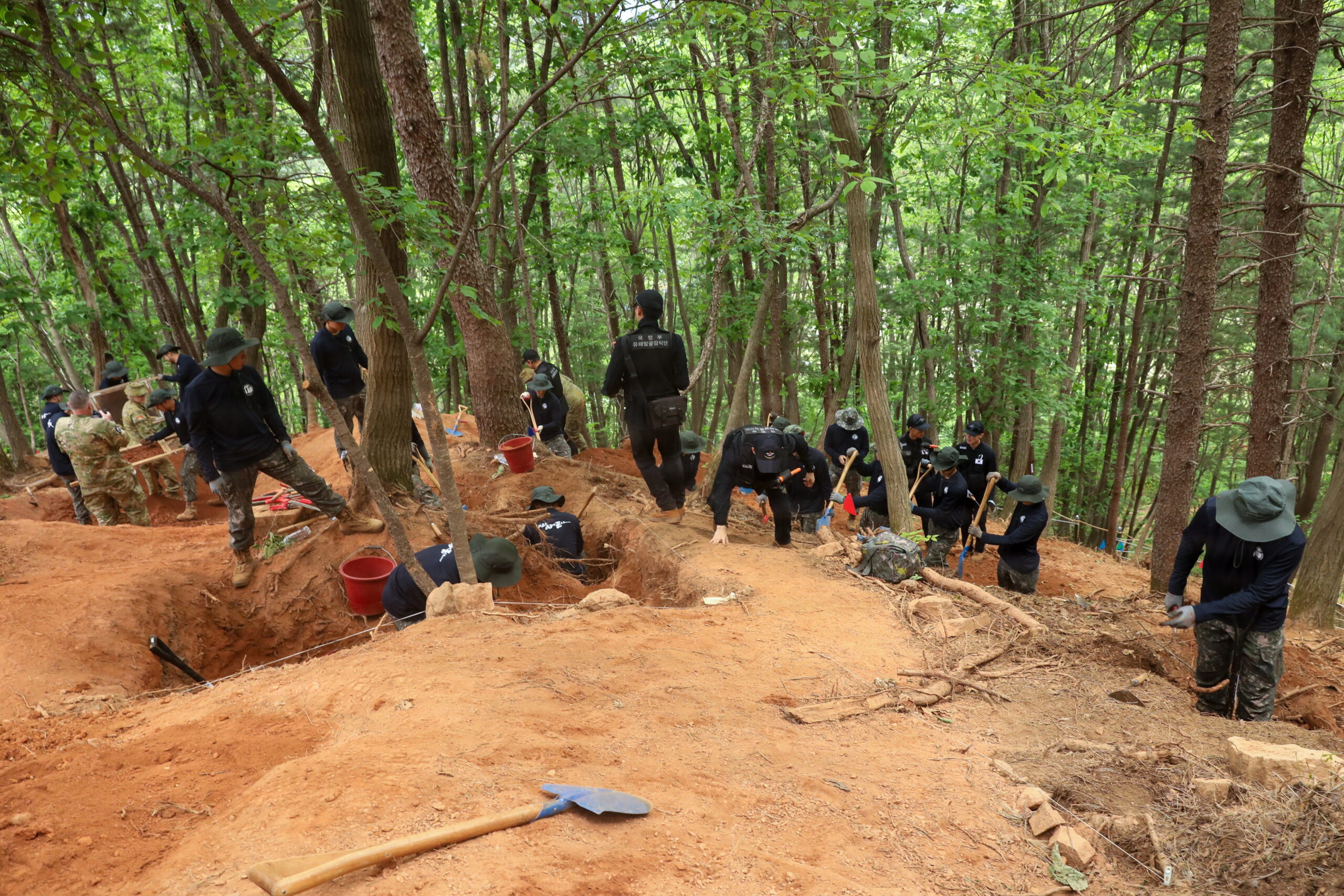
In a poignant display of enduring mateship and international commitment, a joint recovery team began the excavation on April 24, coinciding with the 75th anniversary of the historic Battle of Kapyong.
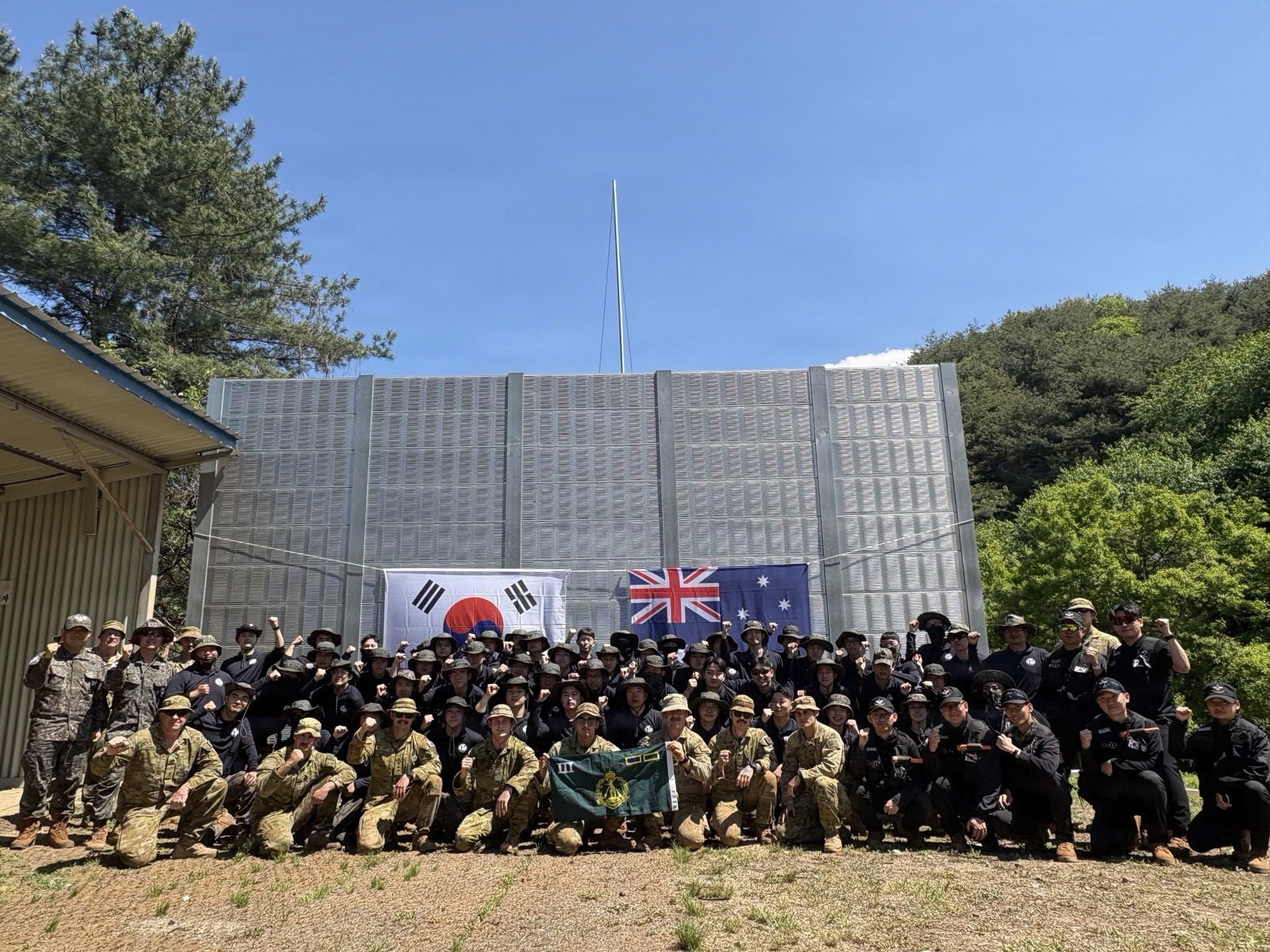
The excavation was co-led by South Korea’s Ministry of National Defense Agency for KIA Recovery and Identification, operating in partnership with members of Unrecovered War Casualties – Army (UWC-A).
The dig concentrated on the rugged, steep terrain of the Kapyong defensive position of 7 Platoon Charlie Company, where Australian troops famously held the line against overwhelming odds in 1951.
In a symbolic gesture, six members of 3rd Battalion, the Royal Australian Regiment (3RAR), which was Corporal Murphy’s unit, remained after the official 75th-anniversary commemorative ceremonies to assist with the excavation.
Australian Army Regional Manager Pacific – Asia for UWC-A Major Craig Foreman said the task was an emotional and historic one.
“This operation represents an unbroken promise to our fallen,” Major Foreman said.
“To have modern-day 3RAR soldiers physically searching through the same soil their forebears fiercely defended 75 years ago is a profoundly moving experience.”
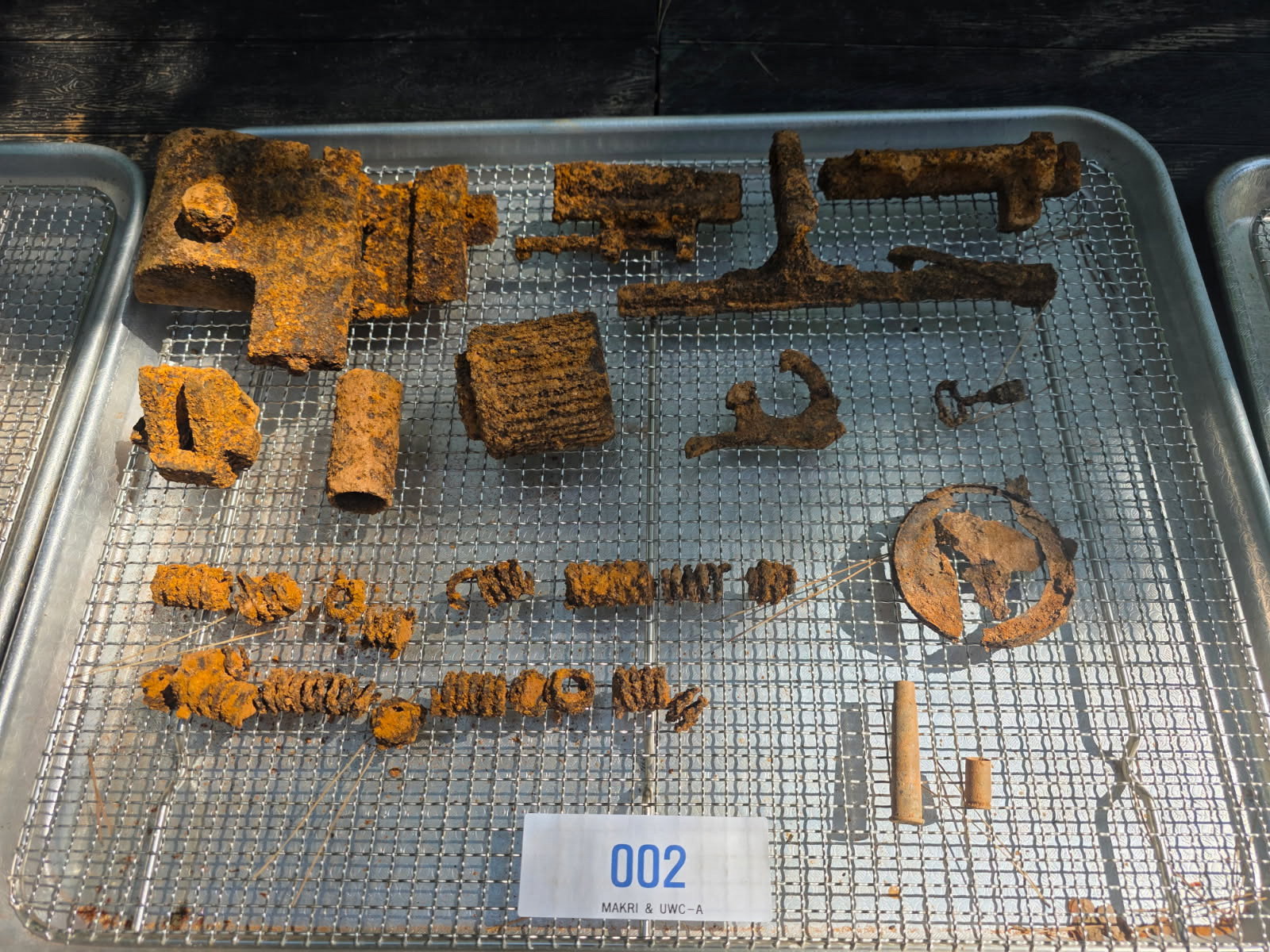
Although the excavation yielded no human remains, the team discovered Australian-manufactured .303 fired cases, stripper clips and two-inch mortar canister lids, alongside disabled Japanese Type 92 heavy machine gun parts, which were used by Chinese and North Korean Forces.